
2026-11-03 03:12:07Z agent=pay-07 action=reroute_paymentbeneficiary=[changed] approver=policy-v3 status=OK
Logs record. They do not prove.
AI agents now approve payments, change configurations, grant access and negotiate with other agents on our behalf. When a regulator, an investigator or a board asks what an agent did, on whose authority and on what evidence, most organisations can produce only logs. CyberSymbiosis builds verifiable, crypto-agile trust for AI agents, post-quantum by design.
The problem
Four questions every auditor, regulator and investigator will ask
They are the questions your agents will face, from auditors, regulators, investigators and courts. A log answers none of them on its own.
1
What did it do?
Not what it logged it did. What happened, with the result.
2
On whose authority?
Which human, with which mandate, delegated what to the agent, and was that delegation valid at that moment.
3
On what inputs?
Which data, model version, policy and thresholds applied when the decision was made. Policies change; the record must show which one was in force.
4
Is the record complete?
Can you prove nothing has been removed? An incomplete record is worse than none, because it is evidence that looks like evidence.
Why logs fail
A log is testimony from the system under investigation
Question 1
Written by the system it describes
No independent witness.
Question 2
Carries no proof of authority
Authority is asserted, not proven.
Question 3
Editable after the fact
Immutable storage fixes this one. Only this one.
Question 4
Silent about what is missing
A log cannot tell you what is not in it.
WORM storage, immutable logs and a SIEM prove a record was not changed after it was stored. They do not prove it was right when it was written, who authorised the action, or that nothing was left out. That gap is the work.
The quantum clock
Trust now, forge later
Nobody needs to decrypt a signature. Once a quantum computer can forge today’s RSA and ECC signatures, a record signed with them stops being evidence, because anyone could have produced it. Evidence you must keep for a decade needs a signature-migration path now.
2024
NIST FIPS 203, 204, 205 published
2026
EU roadmap: migration under way by year end
2030
RSA and ECC deprecated (NIST IR 8547, draft)
2035
RSA and ECC disallowed (NIST IR 8547, draft)
Your evidence must outlive the cryptography that signed it. Inventory before algorithms: every agent credential and evidence-signing key belongs in your cryptographic bill of materials, and the ability to change an algorithm without losing the ability to verify the past matters more than any single algorithm choice.
Evidence by design
Six requirements to put in any tender
Outcomes to demand of any system that holds evidence of what agents did, including ours.
1
Captured when the action happens
Not reconstructed from logs afterwards.
2
Authority bound to the action
A named human, a defined scope, valid at that moment.
3
Anyone can check it
Without trusting the operator, or the vendor.
4
Prove the fact, not the data
The auditor sees what the auditor needs and nothing else.
5
Crypto-agile from day one
Change the algorithm, keep the past verifiable.
6
Rules are versioned facts
Know which policy, threshold and model version applied at 03:12.
Start next week
Five steps, for every role that will have to answer
No new tooling. The steps belong to the CISO and the CSO, but also to the CIO and CTO who run the agents, the Chief Risk and Chief Compliance Officers and the Data Protection Officer who answer the regulator, Internal Audit, the General Counsel who will be asked in court, the CFO whose payments the agents approve, and the Chief AI Officer where there is one. If you do these five, you will know exactly what you are missing, and you will be able to ask any vendor the right questions.
- Register every agent as a non-human identity with a named human owner and a defined scope of authority.
- Pick one high-impact agent workflow. Write down the four questions for it with risk, internal audit, legal and physical security in the same room.
- Put every agent credential and evidence-signing key into your cryptographic inventory, and run a crypto-agility self-assessment.
- Run a tabletop: a regulator asks about an agent decision made ninety days ago, during a connectivity outage. Produce the evidence in 48 hours.
- Set evidence retention by how long the record must remain provable, not by habit.
Founders
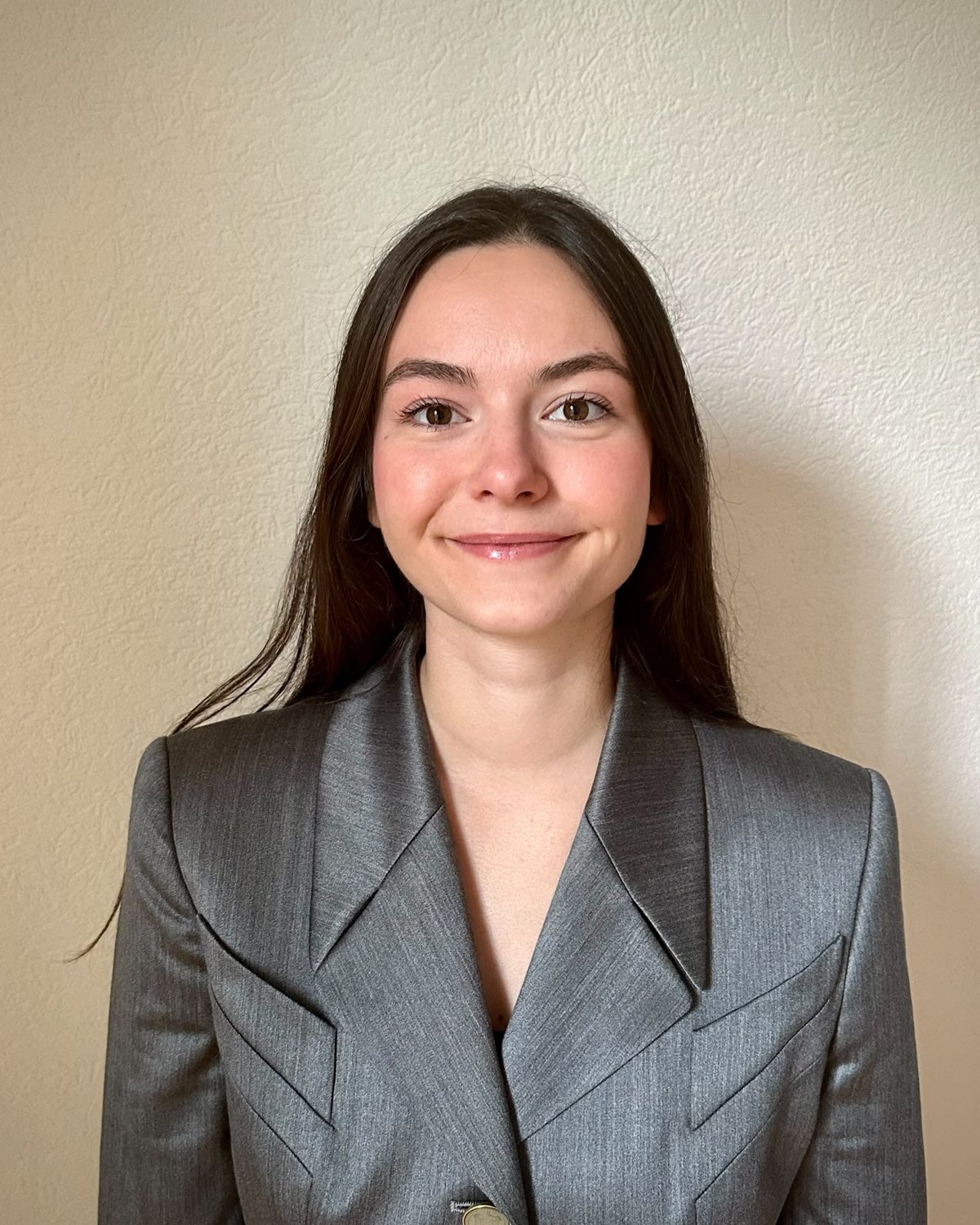
Ana Polic
Bridging breakthrough knowledge and breakthrough technology.
Background in Swiss banking industry. Founder, CyberSymbiosis. Research Assistant and PhD candidate in Innovation Management, University of Geneva.
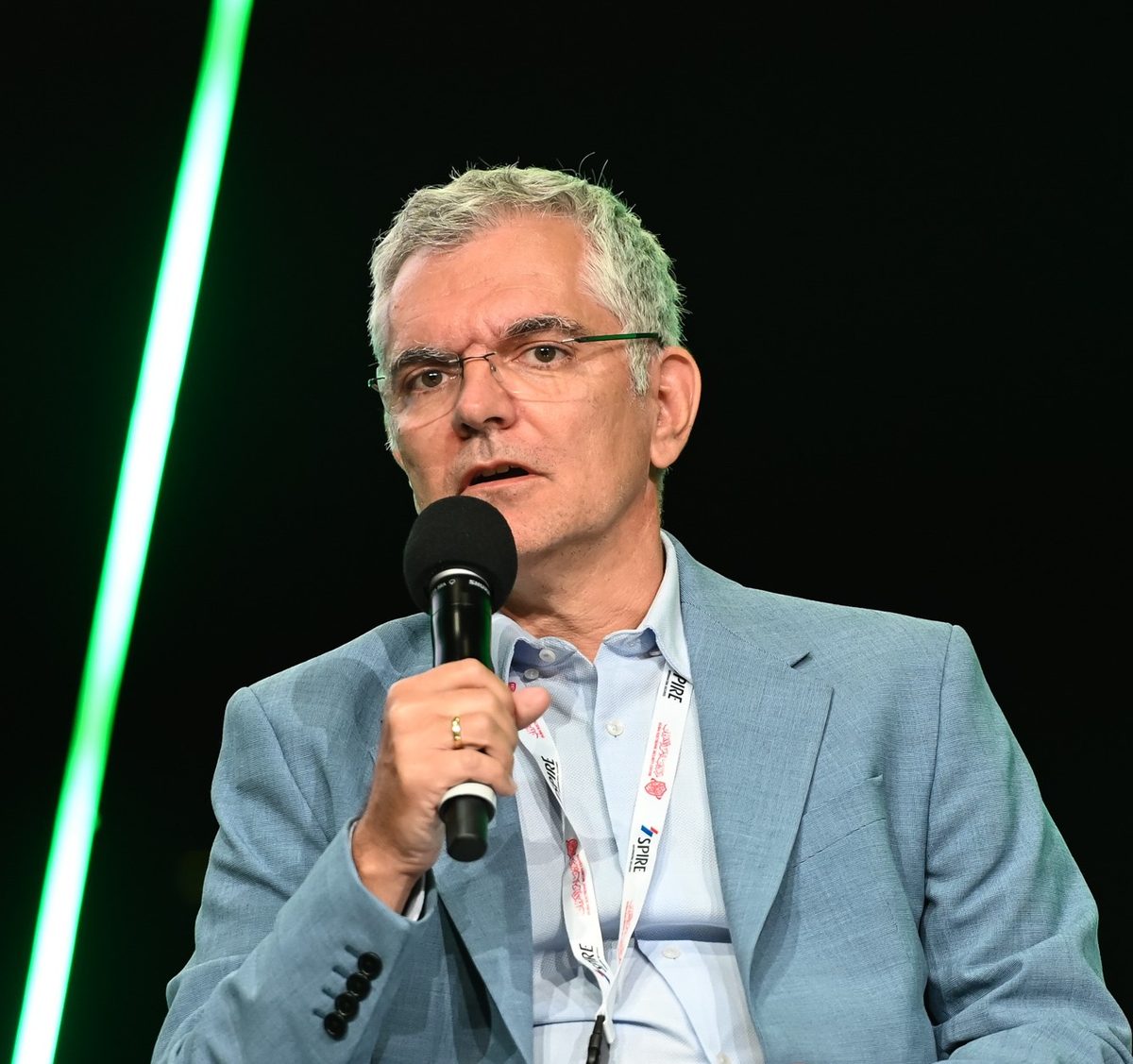
Dr Viktor Polic
Builds ways to prove what machines did, and on whose behalf, without exposing the people behind them. Three decades building and securing United Nations systems, latterly as Chief Information Security Officer of the International Labour Organization (2007–2026).
His 2014 doctorate in cryptography designed a protocol that lets auditors verify a system without learning who its users are. He dedicated it to all future generations and their well-being, and closed it with Michael Pupin’s idea, from From Immigrant to Inventor, that progress means coordination; his corollary is that the instruments of coordination must protect each individual.
Adjunct Professor at Webster University Geneva since 2002. CISSP, CISA, CRISC.
Contact
If one day you will have to prove what your agents did, write to us.
We are early and quiet; the problem is public. We work with a small number of design partners: regulated organisations in finance, government or critical infrastructure that run AI agents in production, or will within a year. Tell us about your agent use case and a founder will reply.
10–11 Nov 2026 7th CISO 360 + 2nd CSO 360 Middle East, Istanbul. Logs Are Not Evidence: Who Authorised That AI Agent, and Can You Still Prove It in 2035?
2–4 Dec 2026 10th CSO 360 Global Congress, Copenhagen. Your Newest Insider Never Sleeps: When AI Agents Issue the Badges
Suggested subject: Agent use case. Say which decisions your agents make, who they act for, and who will one day ask.
Elsewhere

